


The 7 best surfing destinations in the world
12 June 2025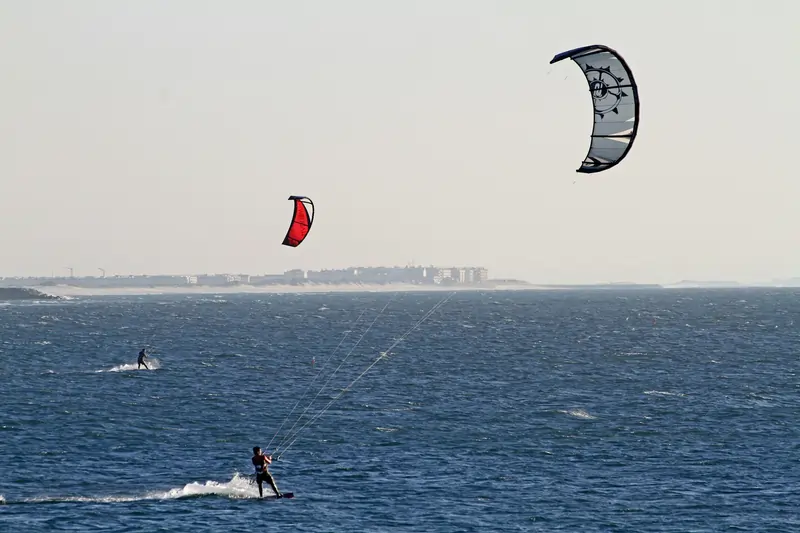
How many lessons does it take to learn kitesurfing? Let’s find out.
12 June 2025
In this article we talk about…
- It is essential to choose the kite, board, harness and accessories based on factors such as the athlete’s weight, weather conditions and type of water. Beginners should opt for versatile and durable equipment that allows them to develop basic skills before venturing into more advanced styles.
- Buying used equipment can be an economical and sustainable alternative, especially for beginners. However, it is crucial to inspect the condition of the equipment to ensure functionality and safety. Consulting with experts or experienced individuals can make all the difference when evaluating these options.
- Although equipment prices vary widely by quality and brand, it is important to consider future expenses. Maintenance, possible repairs and necessary upgrades should be part of the calculation to ensure continued safe kitesurfing.
Costs depend on several factors, as well as the choice of the type of equipment: evaluate your skills and establish a budget, without ruling out the possibility of renting.
Kitesurfing is an ultra-spectacular discipline that combines elements of surfing, paragliding and wakeboarding, and since the late 90s, as we know, has gained some popularity.
In addition to technique, kitesurfing requires the right equipment, which can influence not only the performance in the water, but also the safety of the athlete.
The selection of kite, board, control bar, harness and accessories should be based on skill level, physical conditions, weather conditions and the type of water being used.
Read also: The 7 best beaches for kitesurfing in the Canary Islands.
What equipment is necessary to practice kitesurfing?
We start with the kite, the kite, which perfectly symbolizes the essence of kitesurfing.
There are two main types of kites: kite pumps and kite foils. Kite pumps, the most common on the market, have an inflatable structure that gives them a semi-rigid shape, ideal for most conditions. On the other hand, the kite foil kites stand out for their ability to inflate in the wind and are more recommended in light wind conditions.
The control bar allows you to control the kite through a system of 4 or 5 lines: its length usually varies between 40 and 50 cm, depending on the size of the kite and personal preferences.
As for the boards, they are divided into bidirectional (twin-tip) and monodirectional (similar to surf boards). The twin-tip boards are the most common among beginners and freestylers, while the monodirectional boards are preferred by experts and lovers of choppy waters. The latter are designed to be used in only one direction at a time, so to change course the rider must perform a maneuver to turn the board.
How much does kitesurfing equipment cost?
The answer to this question can only be“it depends”: equipment costs vary according to quality, brand and whether the equipment is new or second hand. Here is a rough estimate of the cost of the different parts of kitesurfing equipment.
In the case of the kite, new models can cost from about 600 euros for the smallest to about 2500 euros for the largest and “professional” models. The bar, on the other hand, has a price ranging from 350 to 550 euros. The leash (the safety system) and the pump to inflate the kite both cost approximately 50 euros each.
Let’s move on to the boards. The twin-tip, suitable for beginners and experts in all conditions, the surfines, for surfing between the waves, and the foil boards, for gliding in light wind on the surface of the water. Prices vary according to the type: a new twin-tip can cost between 300 and more than 1000 euros, surfboards range from 400 to 1000 euros, while for a complete foil board it is difficult to spend less than 1500 euros.
Finally, the harness and wetsuit. The harness, which serves to distribute the force of the kite, has a price ranging from about 80 to more than 250 euros, although it is common to find used models in excellent condition.
The wetsuit is essential to protect the body and provide thermal insulation: the price can range from about 50 euros for summer models to more than 150 euros for winter models, which are usually thicker.

Kitesurfing equipment: shopping advice
Let’s take a look at some tips on how to proceed when purchasing kite equipment.
First of all, you can consider the second-hand market, an excellent option for beginners, as it allows you to save significantly compared to buying new equipment. However, before buying, it is important to evaluate the condition of the used equipment, its wear and tear and the possible presence of repairs, to make sure it is safe and functional.
Especially if you are a beginner, take the time to understand what your needs and preferences are before making a purchase. Ask someone more experienced for advice and weigh the pros and cons.
The weather conditions of the place where you will practice most often influence the choice of equipment, especially the size of the kite and board. Don’t forget that your weight is also a fundamental factor in the choice of equipment size: in equal wind conditions, heavier kitesurfers need larger kites and boards to get the same traction as lighter kitesurfers.
Choose equipment based on your goals and level of experience. If you are a beginner, you should opt for versatile, multi-purpose equipment that allows you to explore different styles and disciplines.
Finally, set a budget and stick to it: remember that, in addition to the initial purchase costs, you will also have to consider maintenance and replacement costs.
Read also: How to choose kitesurfing equipment: the ultimate guide.
In conclusion
Kitesurfing is a fascinating and complex sport discipline, which attracts a growing number of enthusiasts thanks to its ability to combine the thrills of surfing, paragliding and wakeboarding. Carefully choosing the right equipment influences both sporting performance and safety during practice. This choice should be guided by personal needs, level of experience and the characteristics of the place where kitesurfing is practiced.
Costs can vary depending on a number of factors. The advice for beginners is to approach the second-hand market with caution, carefully assessing the condition of the equipment, and also taking into account the future costs of maintenance and upgrades.
If you want to try this discipline in one of the most beautiful islands, choose our kitesurfing school in Fuerteventura: in addition to the lessons taught by highly qualified instructors, you can rent the equipment and discover what best suits you.
How much does kitesurfing equipment cost – FAQ
What equipment is necessary to practice kitesurfing?
To practice kitesurfing, you need a kite, a control bar, a board, a harness and other accessories. There are two main types of kites: kite pumps (with an inflatable structure) and kite foils (which inflate in the wind). In addition, the boards are divided into bidirectional and monodirectional, depending on the rider’s skill level and preferences.
How much does kitesurfing equipment cost?
The cost of kitesurfing equipment varies depending on the quality, brand and whether the equipment is new or second hand. A new kite can cost between 600 and 2500 euros, while a bar costs between 350 and 550 euros. Twin-tip boards cost between 300 and 1000 euros, while foil boards can exceed 1500 euros.
What advice should I follow when buying kitesurfing equipment?
It is advisable to consider the second-hand market to save money, especially if you are a beginner. Evaluate the condition of the equipment before you buy it. Also, choose the equipment according to your needs, level of experience and the weather conditions of the place where you will practice. Finally, set a budget and stick to it to avoid unnecessary expenses.